Middle East Tensions Rise: Drone Strike on Saudi Oil Hub Sends Ripples Globally
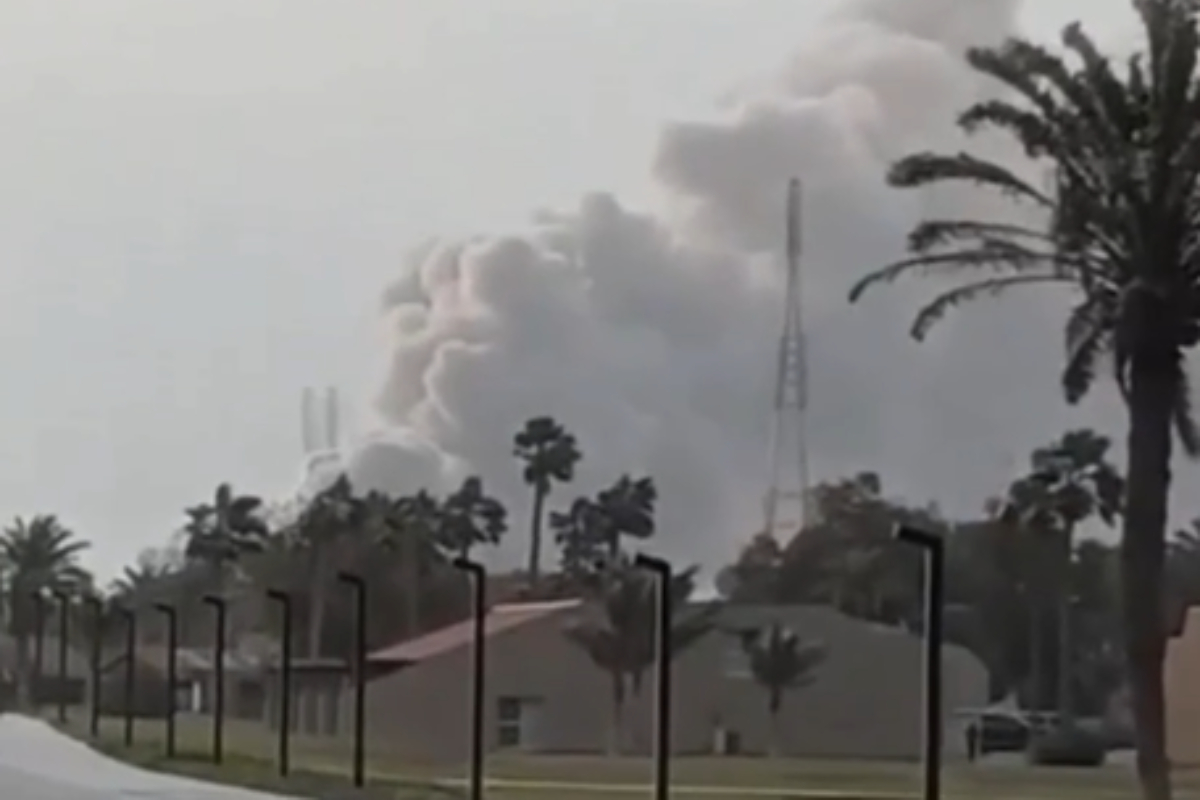
The geopolitical landscape of the Middle East has once again been thrust into the spotlight following a recent drone strike on a critical Saudi oil refinery. This incident, impacting a vital Saudi Arabia refinery, specifically the Saudi Aramco facility in Ras Tanura, underscores the escalating regional tensions and highlights the inherent vulnerabilities of global energy supply chains. As details emerge from various sources, the attack has not only prompted a temporary halt in operations at this significant oil hub but has also sparked renewed concerns about the stability of the world's energy markets and the broader implications for international relations. The event serves as a stark reminder of how localized conflicts can have far-reaching economic and political consequences.
The Drone Attack on Saudi Aramco's Ras Tanura Refinery
Reports from multiple international news outlets, including Bloomberg and Reuters, confirmed that Saudi Aramco's massive oil refinery in Ras Tanura experienced a drone strike. This incident led to the temporary suspension of operations as a precautionary measure, according to sources familiar with the matter. While the full extent of the damage was initially unclear, subsequent reports indicated that a small, localized fire erupted but was quickly brought under control, allowing the situation to be managed effectively. Reuters, citing a source, specifically indicated that an Iranian drone was responsible for attacking the Aramco refinery, leading to the work stoppage as a safety measure.
The Ras Tanura complex is not just any Saudi Arabia refinery; it is one of the world's largest oil processing and crude oil export terminals, playing an indispensable role in Saudi Arabia's vast petroleum industry and global energy supply. Its operational capacity is immense, handling millions of barrels of crude oil daily, which are then either refined for domestic use or exported to international markets. The brief interruption, despite being managed swiftly, sent a clear message about the fragility of critical energy infrastructure in an increasingly volatile region. Such an attack on a pivotal facility like the Saudi Aramco refinery at Ras Tanura inevitably triggers concerns among energy traders, policymakers, and consumers worldwide. For more detailed information on the immediate aftermath, you can refer to
Saudi Aramco Refinery Halted After Iran Drone Attack.
A Volatile Geopolitical Landscape: Tracing the Tensions
The drone strike on the Saudi oil hub did not occur in isolation but against a backdrop of deeply entrenched and escalating regional conflicts. The Middle East has been a theatre for proxy confrontations and direct military actions, with several key players involved in a complex web of alliances and rivalries.
Earlier, the Islamic Revolutionary Guard Corps (IRGC) of Iran reportedly claimed responsibility for a "tenth wave" of missile launches directed at Israel. Furthermore, the IRGC also reported striking three US and British tankers. These claims, if substantiated, represent a significant escalation in the ongoing tensions between Iran and its regional adversaries. The context further reveals that these events are intertwined with broader hostilities. For instance, Israel's Defense Minister reportedly announced a joint operation with the United States against Iran, which was met with what were described as retaliatory missile and drone strikes by Tehran. These reported strikes targeted American military bases across the Middle East, including facilities in Qatar, Bahrain, the UAE, Saudi Arabia, Kuwait, and Jordan.
This intricate series of actions and counter-actions paints a picture of extreme regional volatility. The drone attack on the Saudi refinery (НПЗ Саудовской Аравии) can be seen as another point of friction within this wider conflict, highlighting how critical infrastructure, particularly in the energy sector, often becomes a target in such geopolitical standoffs. The attribution of the drone to Iran by some reports adds another layer of complexity and potential for further escalation, raising questions about accountability and future responses.
The Global Repercussions for Oil Markets and Energy Security
Any disruption, however minor or temporary, to a major Saudi Arabia refinery like Ras Tanura, inevitably sends ripples through global oil markets. Saudi Arabia is the world's largest oil exporter and a significant player in the Organization of the Petroleum Exporting Countries (OPEC+). Its ability to supply crude oil consistently is crucial for maintaining global price stability.
*
Immediate Market Reaction: News of such attacks often leads to an immediate spike in crude oil futures prices as traders factor in potential supply shortages or increased risk premiums. While Saudi Aramco's quick response helped mitigate a sustained price surge, the underlying vulnerability highlighted by the incident keeps markets on edge.
*
Investor Uncertainty: Attacks on critical energy infrastructure amplify geopolitical risk, making investors cautious about long-term investments in the region. This uncertainty can deter foreign direct investment and impact economic growth prospects.
*
Energy Security Concerns: For consuming nations, especially those heavily reliant on Middle Eastern oil, such incidents underscore the importance of energy security. It prompts considerations for diversifying supply sources, maintaining strategic petroleum reserves, and investing in alternative energy technologies to reduce dependency.
*
Insurance Premiums: The risk of attacks can also lead to higher insurance premiums for shipping and operations in the region, ultimately increasing the cost of doing business and potentially impacting consumer prices.
While the specific impact of this particular incident was largely contained, it serves as a powerful stress test for the global energy system. The world's reliance on a concentrated region for a significant portion of its energy supply makes it susceptible to the whims of geopolitical tensions. To understand the broader implications for the market, explore
Ras Tanura Attack: What it Means for Global Oil Supply.
Strengthening Resilience: Key Takeaways for Energy Stakeholders
The drone strike on the Saudi oil hub offers critical lessons for governments, energy companies, and international organizations about the necessity of bolstering resilience against evolving threats.
- Enhanced Security Measures: Critical energy infrastructure, including every significant Saudi Arabia refinery, requires multi-layered defense systems. This encompasses advanced radar, anti-drone technologies, robust physical security, and sophisticated cybersecurity protocols to protect against both physical and digital attacks. Investing in these areas is no longer optional but a fundamental requirement.
- Robust Emergency Response Plans: Quick and efficient emergency response is paramount. Saudi Aramco's ability to swiftly control the fire and minimize operational disruption at the Ras Tanura facility demonstrates the value of well-rehearsed contingency plans and immediate mobilization of resources.
- Diversification of Assets and Supply Routes: Energy companies and nations should continue exploring options to diversify their asset locations and supply routes to reduce dependence on single points of failure in politically unstable regions. This might involve investing in infrastructure in safer zones or exploring new trade partnerships.
- International Diplomacy and De-escalation: Ultimately, long-term energy security hinges on political stability. International efforts to de-escalate regional conflicts, foster dialogue, and negotiate peaceful resolutions are vital to prevent such attacks and safeguard global commerce.
- Information Sharing and Intelligence: Timely and accurate intelligence sharing among allies and security agencies can help anticipate threats and implement preventative measures, protecting vital facilities like the Saudi Aramco refinery from potential assaults.
These proactive measures are essential not only for the security of individual facilities but for the stability of the global economy, which is intricately linked to the reliable flow of energy.
In conclusion, the drone strike on the Saudi Arabia refinery in Ras Tanura serves as a stark reminder of the volatile geopolitical climate in the Middle East and its potential to disrupt global energy markets. While Saudi Aramco demonstrated commendable resilience in managing the immediate aftermath, the incident underscores the urgent need for enhanced security, robust contingency planning, and sustained diplomatic efforts to de-escalate tensions. The interconnectedness of regional conflicts and global energy security means that events like these resonate far beyond their immediate vicinity, demanding constant vigilance and strategic foresight from all stakeholders to safeguard stability and ensure the continuous flow of essential resources.